Wednesday, June 8, 2011

Battle of Chapad Chidi


About 3 centuries ago, a fierce battle was fought at the battlefield of Chapud-Chidhi. This battle has been recognized as one of the most important battles fought in our Sikh History. This battle was fought between powerful Mughals under the command of Nawab Wazir Khan and valiant Sikhs under the leadership of Baba Banda Singh Bahadur on 22 May, 1710 on the battlefield of Chapud-Chidhi near Sirhind.

Nawab Wazir Khan was a tyrant and merciless ruler. He had killed thousands of innocent lives. He was the main pillar of the Aurangzeb’s policy against in Punjab. He was involved in almost all the battles against Guru Gobind Singh Ji. He was also responsible for the Shaheedi of young Sahibzadas- Baba Zorawar Singh Ji and Baba Fateh Singh Ji of Guru Sahib. He was also responsible for the attack of two Pathans over Guru Sahib at Sri Hazoor Sahib in Nanded while he was in his deep meditation. The martyrdom of young Princes was the concrete reason behind this war. The whole army was well equipped with armors, shields, weapons, guns, gunpowder etc.

Nawab Wazir Khan had started preparations for the war. He gathered all of his forces and called out all his Jagirdars to accompany him with their forces. He also raised the flag of Jihad and thousands of Muslims joined him. A large number of Hindus also joined the Jihad and thus, he made a large army. He placed his large cannons, heavy guns with unlimited gun powder in one side, a wall of fierce full war elephants covered with hard iron shields on second side, his Jagirdari forces on third side and his own army on the fourth side. He himself sat over an elephant protected by a number of Gazis surrounding him.

On the other hand, a handful of Sikhs were there without any equipment of guns, cannons, gunpowder, musketeers, war elephants, shields, armor etc. They were not even having sufficient cavalry. Baba Ji also divided his army into four parts: Sikhs from Malwa region under Dharam Singh, Karam Singh, Aali Singh, Maali Singh, Takht Singh, Nagahia Singh etc; Sikhs from Majha region under Baba Binod Singh, Bhai Baaz Singh, Bhai Ram Singh; some force under Baba Kahan Singh, Miri Singh with some other accompanied forces and the last division was under his own command. Baba Ji sat at some height so that he could see what is happening over the battlefield.

Even being outnumbered Mughal Army was afraid of Baba Ji. This was a new war against Sikhs after some peace period. They had already caused a lot casualty in early wars. Now they were reunited again. Baba Ji was also very famous as he was set as a commander by Guru Gobind Singh Ji himself. They had seen that no one had been able to defeat Baba Ji even with large well-equipped and well-trained forces. They were also affected by a rumor that Baba Ji was a black magician, he can kill anyone, he can make his army invincible, no weapon could touch him, he can call ghosts, bring storms, he can get all the plans made by enemy, he can turn into any animal, bird or ghost etc.

Wazir Khan sent nephew of Diwan Sucha Nand with 1000 troops to join Sikh army and flee away in the battle. Though Baba Ji did not believed him but still he permitted him to join his army.

The battle began with the firing of cannons of Mughal army. Their fires did not cause much loss over the Sikh army rather most of their fires shot into the woods. The Sikhs were having 4-5 small canons which were made to shot accurately into the Mughal canons. This caused plundering of Mughal artillery. Due to lighter weight and higher mobility of the cannons, the Sikh battalions were able march towards the Mughal artillery. It seemed to be a kind of magic by Baba Ji to the Mughal army. Bhai Baaz Singh Ji and other Singh warriors captured the Mughal artillery. With this artillery, they attacked the war elephants of Mughals. Due to this bombarding caused by the cannons, the war elephants ran backwards and created a big trouble for Mughal army itself. At this, Nawab Wazir Khan ordered his whole army to attack and a fierce battle was fought. This caused heavy casualties over the both sides. At this time, nephew of Diwan Sucha Nand fled with his troops but he was killed on the way. The battle continued for 2 days but no decision could be made. In the morning of 24 May, Mughal army being outnumbered started getting their side heavier. At this time Baba Ji himself jumped into the battlefield. Sikhs were boosted up incredibly and began marching towards their victory. Nawab Wazir Khan was killed in the battle. There is controversy over how he was killed. Some say he was killed in fight with Bhai Baaz Singh, some say he was killed by Baba Ji, some say an arrow stroke over his head while some say he was captured and tortured to death. After his death, the Mughal army fled away and the Sikhs were victorious in this battle. And very soon, the fort of Sirhind was also captured.

Later he established his capital at Mukhlispur which he named as Lohgarh. This was the first capital of Sikh Rule.

This battle has got an important place in history. It was the outstanding victory of Sikhs over Mughals, destruction of the principle pillar of the Mughal Government, victory of truth and courage over darkness of tyranny, the beginning of the first Sikh rule, the establishment of the very first Sikh capital, the introduction of the Sikh Coins for the first time in History.

Tuesday, March 22, 2011

A Short Sketch of life of Jathedar Kapur Singh Ji Shaheed


In previous post, you read about the martyrdom of Jathedar Kapur Singh Ji. Now, I will give you a brief over view of his life.
He was popularly known as Jathedar Kapur Singh in Kashmir Province of British India. He was well known for his bravery, humbleness, determination and far-sightedness not only among Sikhs but also among Hindus and Muslims.
He was born in June, 1901 in village Amor (ਅਮੋਰ), Kashmir (now Pakistan). His father was Subedar Major S. Ram Singh Ji and his mother was Mata Kaur Ji.
He was religious right from his childhood. He completed his study as well as Gurbani Santhia at Baba Prem Singh ‘Basnarhe’ (ਬਸਨਾੜੇ) vale. He was the only child of his parents.
In 1922, he contributed to Akali Movement in Punjab. He also led a number of Jathas from Kashmir to Punjab for Akali Movement. He imprisoned for 2 years and fined with amount of 1000 rupees. He was also given punishment of crushing grains etc. After crushing his grains, he used to crush other prisoner's grains. By the time, he was set free, his hands were severely damaged.
In those days, Kashmir was a princely state of British India. The ruler was a Hindu Dogra, Raja Hari Singh. The majority of people in Kashmir were Muslims and they were also having a number of political organizations. But the condition of Sikhs was very poor in this changing and challenging situation. Neither had they any political stand. Shromani Akali Dal was established but that too was limited in Punjab. So, he formed a political Sikh organization “Shromani Khalsa Darbar” in 1934. He was chosen as its first president and he remained at this position until his martyrdom in 1947.
He started Akali Movement in Kashmir so as to free the Gurudwaras from the clutches of Mahants there. The first agitation took place at. Gurudwara Chhevin Patshahi Naluchhi (ਗੁਰੂਦੁਆਰਾ ਛੇਵੀਂ ਪਾਤਿਸ਼ਾਹੀ ਨਲੂਛੀ) In those days, the Dogra Government accompanied with Kashmiri Pandits shrewdly started Ramayana Paath in Gurudwara Sopur, Pehli Patshahi (ਗੁਰੂਦੁਆਰਾ ਸੋਪੁਰ, ਪਹਿਲੀ ਪਾਤਿਸ਼ਾਹੀ )many historical Gurudwaras so as to turn these Gurudwaras into Hindu temples. It was seen that no heed was paid by government officials despite of sending a number of appeals. Finally, he started sending Jathas of peaceful protestants who were arrested by police. He also asked for help from the Sikhs in Punjab. And finally, government gave up by giving the control to the Sikh Panth as well as setting out the arrested Singhs free. Similar agitations took place at Gurudwara Pehli Patshahi , Uri Mattan (ਗੁਰੂਦੁਆਰਾ ਪਹਿਲੀ ਪਾਤਿਸ਼ਾਹੀ, ਊੜੀ ਮਟਨ), Gurudwara Chhevin Patshahi Raina Vaarhi (ਗੁਰੂਦੁਆਰਾ ਛੇਵੀਂ ਪਾਤਿਸ਼ਾਹੀ ਰੈਣਾ ਵਾੜੀ), Gurudwara Satvin Patshahi (ਗੁਰੂਦੁਆਰਾ ਸਤਵੀਂ ਪਾਤਿਸ਼ਾਹੀ) etc. There were many similar events that took place in Kashmir due to treacherous Pandits and Dogra government.
The Sikhs in Kashmir were very poor and uneducated. He started a Sikh boarding school at Gurudwara Chhevin Patshahi Naluchhi (ਗੁਰੂਦੁਆਰਾ ਛੇਵੀਂ ਪਾਤਿਸ਼ਾਹੀ ਨਲੂਛੀ ) where both Gurmat and worldly education was delivered to sikh students. Till then hardly any Sikh would have been gone to school. It was no more than a dream for them. It was due to their less population, financial weakness as well as discrimination being done by government. They were considered as third class people and were having no respect in society.
In those days, Brahmini rituals and rites were still performed by the Sikhs. He inspired Sikhs to strictly follow only Khalsa rituals. Infact, he was the first one who married his daughter Bibi Vaas Kaur with Bhai Sangat Singh strictly according to Gurmat after Amrit vela Diwan.
He was a torch-bearer who used to enlighten everyone. There were many Rajputs and Muslims who became Khalsa. One of them used to be a Muslim who became Sujan Singh. He was excommunicated by his society. Jathedar Ji asked Sikhs in a Diwan to marry his daughter or sister with this poor Sikh. None of them stood up. Finally, Jathedar Ji married his own daughter Bibi Harbans Kaur with Sujan Singh. He also bought some land and a truck to Sujan Singh so that he is able to stand on his own.
It was astonishing that he held leadership of Shromini Khalsa Darbar, Gurudwara Chhevin Patshahi Naluchhi, Gurudwara Chhevin Patshahi Raina Vaarhi, Gurudwara Panja Sahib, Akali Dal wing, SGPC (Amritsar) in a very short span of time. He was always chosen as Sarpanch by Hindus, Muslims and Sikhs in Muzzafarabad in Kashmir (Pakistan). Still he was very humble. He also started a newspaper “Shamsheer” in Kashmir.
In Kashmir, Dera Nangali Sahib was established by Bhai Pheru Singh Ji for Gurmat Prachar. He was ordered by Guru Gobind Singh Ji. This Dera is responsible for so much Prachar in Kashmir. Even now, Gurmat Prachar in Kashmir is much better than Punjab. Government also respects Dera Nangali Sahib. In 1946, Dera Leader Bhai Mangal Singh Ji got ill and before leaving this world he wanted to appoint his successor. He asked Jathedar Ji for some suggestion. Jathedar Ji suggested,” In the changing environment, next leader must be educated one.” He was asked to get such Singh. He had already called out Bhai Bachitar Singh Ji in Diwan, who was well educated. Bhai Mangal Singh Ji found him capable of being a good leader. In the presence of whole Sangat, Bhai Bachitar Singh Ji was appointed as the next leader. On the other side, there were some Singhs who wanted Sant Hari Singh to be the next leader. Jathedar Ji went to Sant Hari Singh and his companions and he solved the whole dispute, thereby, preventing dissociation into two parties. He boosted up Bhai Bachitar Singh Ji’s morale to do leadership of Dera Nangali Sahib. He also supported him in his first Prachar Daura(ਪ੍ਰਚਾਰ ਦੌਰਾ). Bhai Bachitar Singh Ji remembered Jathedar Ji’s help in his whole life.
In the tense state it became necessary for Sikhs in Kashmir to join hands with either Hindus or Muslims. Jathedar Kapur Singh JI decided to join hands with Muslim Conference on the promise of security and welfare of Sikhs. The name of Muslim Conference was changed into National Conference under the leadership of Sheikh Mohammed Abdul. Together they started a powerful movement against Dogra Government. After 1947, though this promise was not kept completely but it was much better than the promise kept by Congress.
In 1947, India was partitioned into two states- India and Pakistan. The result of this partition was suffered by thousands and thousands of innocents who lost their livelihood. Jathedar Ji helped a large number of them to get into safer areas. But he was not able to get out of the clutches of Pakistan. And he was martyred. I have already posted on how he was martyred. It can be read in detail in this link

Jathedar Ji’s martyrdom was a big loss to the Sikhs in Kashmir. After him, there had been no such successful leader who has been able to lead Panth in a right direction. There are still a number of people who miss him and pray to God that He may bless them with one more such Kapur Singh.
Today we need one more Kapur Singh. But in vain, we are forgetting such leaders. He is truly a torch-bearer for our present leaders.

Valiant Jathedar Kapur Singh Ji Shaheed (Kashmir -1947)

The Kapur Singh about which you are going to read is not the Nawab Kapur Singh of 18th century nor is Sirdar Kapur Singh, the National Professor of Sikhism. He was a great Sikh Leader and Martyr of Kashmir (now called as Jammu & Kashmir, India and Azad Kashmir in Pakistan). I would like to share glimpses of his life but it would make this post too much lengthy. So, here I will post only on his martyrdom.

He was popularly known as Jathedar Kapur Singh in Kashmir Province of British India. He was well known for his bravery, humbleness, determination and far-sightedness not only among Sikhs but also among Hindus and Muslims.

In the pre-1947 division period, India which was once a peaceful country now was burning in the fire of communalism and separatism between Hindus and Muslims. This communalism now took form of riots, murders, killings of innocent Kaafirs (Hindus) and Malechhs (Muslims). But the Sikhs had to suffer much and much more than any other community in India. This fire and wounds were much more severe in Punjab than any other part of the country. Kashmir, a princely state of British India, was also burning in the same fire. Perhaps, Kashmir was the most destructed state in 1947 after Punjab or it may be Bengal.

Jathedar Kapur Singh Ji’s far-sightedness already had a clear vision of the result of growing worse and tense state. He asked Sikhs in Kashmir to be Shastardhari. He asked them to buy weapons by selling their useless and needless belongings and goods. He also advised them to move to the safer areas of Kashmir before anything worse happens.

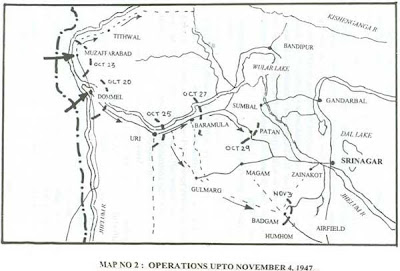
In this changing and challenging time, Master Tara Singh, a great Sikh Leader of that time went to Jammu. He had a meeting with Pandit Kaak (ਪੰਡਤ ਕਾਕ), the minister of Kashmir. He showed Pandit Kaak the threat of attack of Pakistan on Muzzafarabad from the side of Krsihna-Ganga Bridge. He advised that the nearby castle and some guns should be given to the Sikhs of Naulchhi (ਨੌਲਛੀ). In this way, Kashmir would be saved from the Pakistan attack. Then they both went to Naulchhi. The Sikhs at Naulchhi were very brave. They were well organized under the command of Jathedar Kapur Singh Ji. Pandit Kaak told Master Tara Singh that the person having keys is not present. But he will give the keys and weapons to the Sikhs later. But he betrayed. He gave Sikhs nothing.

Finally, Pakistan army attacked Kashmir through that same way killing thousands of Hindus and Sikhs. Even Muslims were also not spared. They were not killed but robbed. Those Muslims who used to help Sikhs and Hindus were severely tortured. Jathedar Kapur Singh Ji, along with his Shastardhari Singhs was helping a large number of Hindus and Sikhs to reach Punnchh (ਪੁਣਛ), near Jammu. He arranged a large number of Jathas and he himself used to accompany each one of them till border.

His family and his close friend Hakumat Singh were in last Jatha. They asked him to come along with them. But he said,” Why I should turn my back by looking bullets, swords and death? If someone died waiting for me, then what is the use of me living?” Hakumat Singh said,” There are only dead bodies. Living people need you. Everything is destroyed there.” He said,” But I am not satisfied till I have complete information of all the villages.” At that time a deadly rain and a fast wind were blowing. And he was wearing just a Kachhera, a vest, a loi (ਲੋਈ) and a small turban. He carried some clothes, some weapons and a gun. This was his last meeting with his family.

He went to his village Ambro (ਅੰਬਰੋ). Only dead bodies could be seen there. He was getting news of some Jathas going to Punnchh and Kashmir, various clashes between Jathas and army, martyrdom of a number of Sikhs, torture by army at Refugee Camps, forcing Non-Muslims to embrace Islam by army etc. He was trying to help those suffering people. He was being helped by a kind Muslim, Ismail Khan, with whom he was staying. One day Ismail Khan asked Jathedar Ji to leave with his sons (Ismail Khan’s sons). He got information that enemies have been able to locate Jathedar Ji’s position.

So, Jathedar Ji along with Ismail Khan’s sons left to Faqir Muhammed, who had been once Jathedar Ji’s faithful servant. He stayed there for a couple of days. Then he crossed Jehlum River to village Meran Motharian (ਮੈਰਾਂ ਮੋਥਰੀਆਂ) where he met Gurdit Singh. Together they were collecting information of Sikhs and Hindus who were still suffering in Refugee Camps and losses which the Sikhs suffered. In village Kakarh (ਕੱਕੜ), enemies surrounded them. He asked Gurdit Singh to leave who reached India through Kashmir. On the other side, Bhai Sahib Ji kept fighting with enemies. He was able to get out of their hands. He struggled a lot in that time. He went to many places trying to help the suffering people in Camps and looking for someone who is still wandering in mountains and forests seeking for some help.

In the end, he was in some home nearby Uri. He was staying with a Muslim Faqir. There too news leaked out. That Faqir took him out in the night. But army saw them and shouted. He fought valiantly with the army. But they were too many. And he was alone. He was severely injured. He jumped into the Jehlum River and tried to cross it. On the other side military also came. They may also have fired at him. But he was unable to cross that river. And he was martyred.

It is very sad that such honorable leaders and valiant saints are having no respect in our country as well as our Panth. We have completely forgotten these heroes. His martyrdom reminds me of a Hindi Movie Gadar, in which Sunny Deol goes to Pakistan to get his wife back with his friend and a son. That’s a fiction. But Jathedar Kapur Singh Ji’s struggle and martyrdom is a reality. Moreover, he went for suffering people not for getting his wife back.

It is my prayer to Waheguru that He may bless someone and give him Power to make some movie over Jathedar Ji’s life. Salutations to such a great Warrior Saint!!!

Wednesday, March 16, 2011

Akali Surjan Singh JI Shaheed

It has been a long time I have not posted anything yet. Now, I will tell you about the bravery of Akali Surjan Singh Ji. Akali Ji’s name is almost forgotten in our Sikh Panth. Very less is known about his life. Here I will show you an excerpt from his life.

He was in the Akali army during the period of Maharaja Ranjeet Singh Ji. He used to fight valiantly in the battles. He was well known for his bravery and strength in Afgans. A number of marks could be seen over his body and face depicting his bravery shown in the battles.

Once upon a time, he went to Attock river area, near the Afganistan, with Maharaja Ranjeet Singh Ji. In the very early morning he woke up. After taking bath at river, he went to a lonely place and then started doing his Nitnem.

On the other side, three Pathans were rushing towards him. They were about to kill him but suddenly stopped when they saw his glorious face. They saw his number of weapons and got afraid. Then these Pathans decided to kill him at once as a new lot of weapons will come into their hands. And they will also get rid of their forceful enemy as they now recognized Akali Ji. One of them attacked with a forceful blow of his spear. This spear hit Akali Ji’s forehead. Blood began flowing from his forehead. By that time Akali Ji had seen them. Akali Ji quickly got the spear out of that Pathan’s hands and threw it away. Then he drew his sword. Like a lightening, he quickly slaughtered two Pathans. The third one was behind him and was about to run for protection. Akali Ji was also about to target him but he fell to the feet of Akali Ji and begged,” Please leave me. I am not a man. I am a woman. I dressed up into a man and came with my husband and brother to kill you. Please, have some mercy over me.” Akali Ji stopped at the same time and sheathed his sword. He spared that woman and let her go.

Then he saw there were precious jewelry, money, gold, valuable clothes and other costly material in the surrounding places. He took all that stuff with him and paid it in the service of Maharaja Sahib. Maharaja Sahib first ordered his doctor to do something for Akali Ji’s injury. Then he went to that place. He saw two dead bodies lying there. He was highly pleased by the courage shown by Akali Ji. Later, it came to be known that those were actually robbers. They used to rob the people covert all their wealth at that area.

Akali Surjan Singh Ji was martyred after Maharaja Ranjeet Singh Ji’s death in Lahore.

Sunday, January 30, 2011

Universal Brotherhood

Universal Brotherhood is one of the basic principals of Sikhism. According to Sikhism, Universal Brotherhood should be highest aspiration of everyone.

Guru Arjan Dev Ji said we are children of the One God and He is our Teacher.

ਏਕੁ ਪਿਤਾ ਏਕਸ ਕੇ ਹਮ ਬਾਰਿਕ ਤੂ ਮੇਰਾ ਗੁਰ ਹਾਈ

(ਸ੍ਰੀ ਗੁਰੁ ਗ੍ਰੰਥ ਸਾਹਿਬ ਜੀ, ਅੰਗ ੬੧੧)

The One God is our father; we are the children of the One God. You (God) are our Guru.

(Sri Guru Granth Sahib Ji, Ang 611)

This concept is further elaborated by Bhagat Kabir Ji who said that if we all are created bu One God, then who is good or bad. Though these all are different forms but still He is pervading everywhere.

ਅਵਲਿ ਅਲਹ ਨੂਰੁ ਉਪਾਇਆ ਕੁਦਰਤਿ ਕੇ ਸਭ ਬੰਦੇ

ਏਕ ਨੂਰ ਤੇ ਸਭੁ ਜਗੁ ਉਪਜਿਆ ਕਉਨ ਭਲੇ ਕੋ ਮੰਦੇ ੧

ਲੋਗਾ ਭਰਮਿ ਨ ਭੂਲਹੁ ਭਾਈ

ਖਾਲਿਕੁ ਖਲਕ ਖਲਕ ਮਹਿ ਖਾਲਿਕੁ ਪੂਰਿ ਰਹਿਓ ਸ੍ਰਬ ਠਾਂਈ ੧ ਰਹਾਉ

ਮਾਟੀ ਏਕ ਅਨੇਕ ਭਾਂਤਿ ਕਰਿ ਸਾਜੀ ਸਾਜਨਹਾਰੈ

ਨਾ ਕਛੁ ਪੋਚ ਮਾਟੀ ਕੇ ਭਾਂਡੇ ਨਾ ਕਛੁ ਪੋਚ ਕੁੰਭਾਰੈ ੨

(ਸ੍ਰੀ ਗੁਰੂ ਗ੍ਰੰਥ ਸਾਹਿਬ ਜੀ, ਅੰਗ ੧੩੪੯)

First, Allah created the Light; then, by His Creative Power, He made all mortal beings.

From the One Light, the entire universe welled up. So who is good, and who is bad? 1

O people, O Siblings of Destiny, do not wander deluded by doubt.

The Creation is in the Creator, and the Creator is in the Creation, totally pervading and permeating all places. 1Pause

The clay is the same, but the Fashioner has fashioned it in various ways.

There is nothing wrong with the pot of clay - there is nothing wrong with the Potter. 2

(Sri Guru Granth Sahib Ji, Ang 1349)

Following is the message of Humanity from Guru Gobind Singh Ji which describes that whole human race is one.

ਕੋਊ ਭਇਓ ਮੁੰਡੀਆ ਸੰਨਿਆਸੀ ਕੋਊ ਜੋਗੀ ਭਇਓ ਕੋਊ ਬ੍ਰਹਮਚਾਰੀ ਕੋਊ ਜਤੀ ਅਨੁਮਾਨਬੋ

ਹਿੰਦੂ ਤੁਰਕ ਕੋਊ ਰਾਫਜੀ ਇਮਾਮ ਸਾਫੀ ਮਾਨਸ ਕੀ ਜਾਤ ਸਬੈ ਏਕੈ ਪਹਿਚਾਨਬੋ

ਕਰਤਾ ਕਰੀਮ ਸੋਈ ਰਾਜਕ ਰਹੀਮ ਓਈ ਦੂਸਰੋ ਨ ਭੇਦ ਕੋਦੀ ਭੂਲ ਭ੍ਰਮ ਮਾਨਬੋ

ਏਕ ਹੀ ਕੀ ਸੇਵ ਸਭ ਹੀ ਕੋ ਗੁਰਦੇਵ ਏਕ ਏਕ ਹੀ ਸਰੂਪ ਸਬੈ ਏਕੈ ਜੋਤ ਜਾਨਬੋ ੧੫੮੫

ਦੇਹਰਾ ਮਸੀਤ ਸੋਈ ਪੂਜਾ ਔ ਨਿਵਾਜ ਓਈ ਮਾਨਸ ਸਬੈ ਏਕ ਪੈ ਅਨੇਕ ਕੋ ਭਰਮਾਉ ਹੈ

ਦੇਵਤਾ ਅਦੇਵ ਜ੍ਨਛ ਗੰਧ੍ਰਬ ਤੁਰਕ ਹ੍ਨਿਦੂ ਨਿਆਰੇ ਨਿਆਰੇ ਦੇਸਨ ਕੇ ਭੇਸ ਕੋ ਪ੍ਰਭਾਉ ਹੈ

ਏਕੈ ਨੈਨ ਏਕੈ ਕਾਨ ਏਕੈ ਦੇਹ ਏਕੈ ਬਾਨ ਖਾਕ ਬਾਦ ਆਤਸ ਔ ਆਬ ਕੋ ਰਲਾਉ ਹੈ

ਜੈਸੇ ਏਕ ਆਗ ਤੇ ਕਨੂਕਾ ਕੋਟ ਆਗ ਉਠੇ ਨਿਆਰੇ ਨਿਆਰੇ ਹੁਇ ਕੈ ਫੇਰਿ ਆਗ ਮੈ ਮਿਲਾਹਿਂਗੇ

ਜੈਸੇ ਏਕ ਧੂਰ ਤੇ ਅਨੇਕ ਧੂਰ ਪੂਰਤ ਹੈ ਧੂਰ ਕੇ ਕਨੂਕਾ ਫੇਰ ਧੂਰ ਹੀ ਸਮਾਹਿਂਗੇ

ਜੈਸੇ ਏਕ ਨਦ ਤੇ ਤੰਰਗ ਕੋਟ ਉਪਜਤ ਹੈਂ ਪਾਨ ਕੇ ਤੰਰਗ ਸਬੈ ਪਾਨ ਹੀ ਕਹਾਹਿਂਗੇ

ਤੈਸੇ ਬਿਸ ਰੁਪ ਤੇ ਅਭੂਤ ਭੂਤ ਪ੍ਰਗਟ ਹੁਇ ਤਾਹੀ ਤੇ ਉਪਜ ਸਬੈ ਤਾਹੀ ਮੈ ਸਮਾਹਿਂਗੇ ੧੭੮੭

(ਅਕਾਲ ਉਸਤਤ, ਸ੍ਰੀ ਦਸਮ ਗ੍ਰੰਥ ਸਾਹਿਬ ਜੀ)

Someone becomes a Ramanandi Monk, or a Sanyasi (the renouncer); others happen to be yogis and some are assessed to have been Brahmcharis or celibates.

Some are Hindus and others are Muslims. someone is lliifazi (ashiah=renouncer-follower of Ali) and another an Imam-Shafi (Sunni=adherent of the Prophet) but ye recognize all human race as one.

Karta=the Creator (of the Hindus) and Karim=the Beneficent (of the Muslims) is the same Lord; He is the Provider of the Livelihood and the Bestower of the Boons. Let none make the error of making distinction between His different names.

They all serve (worship) the One Lord who is the only Enlightener of all. All have been created in His image; ye consider that His is the only light diffused in everyone.(15)(85)

The Temple and the Mosque are the same; there is no difference between them. Neither is there any dissimilarity between the Hindu worship and the Muslim namaz=prayer. The whole human race is the self-same but due to illusion, they appear different.

The demigods, the demons, yakshas (the heavenly dancers), gandharvas (celestial singers), the Muslims and the Hindus all appear dissimilar as they adopt customary dresses of their own countries.

All human beings have the same eyes, the same ears, the same body and the same build. All creation is a blend of the earth, the air, the fire and the water.

As from a big fire, millions of sparks of fire arise, they get scattered and again they merge in the same fire.

As from a heap that consists of myriads of dust particles, those dust bits disperse and arise above and then those dust particles merge in the same dust.

As from a river millions of waves of water are produced and these watery waves merge with water and will still be called as water.

As both the animate (sentient beings) and inanimate (non-sentient objects) are manifested from the Universal Lord. They arise from Him and shall merge again in their primal source.(17)(87)

(Akaal Ustat, Sri Dassam Granth Sahib Ji)

Guru Granth Sahib Ji, the Present Guru of Sikhs, the Holy Scripture of the Sikhs is written by Gurus and various Bhagats, Bhatts and Sikhs as well. These Bhagats were not Sikhs by religion. They were from different religions, castes, places, etc. For example, Bhagat Kabir Ji was a weaver from Banaras, Bhagat Ramanand Ji was a Brahmin from Allahabad, Bhagat Trilochan Ji was a Vaish from Maharashtra, Bhagat Dhanna Ji was a farmer from Rajasthan, Baba Farid Ji a Sufi Muslim from Punjab etc. Bhai Satta Ji and Bhai Balwand Ji were Muslims and their composition is also present in Guru Granth Sahib Ji. So, Guru Granth Sahib Ji itself is an example of Universal Brotherhood.

Guru Nanak Dev Ji started Langar tradition. free kitchen for everyone, where people from all castes and races sit togather and eat food. The main aim behind was unity of people.

The foundation stone of Sri Darbar Sahib, popularly known as Golden Temple, at Amritsar, which is the 'Mecca' of Sikhs was laid not by Guru Sahib but by a Muslim Sufi Saint Hazarat Sain Mian Mir Ji.

The Panj Piare, the Five Beloved Ones of Guru Gobind Singh Ji, were also from different castes and different areas.

That’s why Sikhs in their everyday prayer ask for Sarbat Da Bhala (Well-Being of Human Race). This is how the Sikh Prayer ends

ਨਾਨਕ ਨਾਮ ਚੜ੍ਹਦੀ ਕਲਾ, ਤੇਰੇ ਭਾਣੇ ਸਰਬ੍ਤ ਦਾ ਭਲਾ

(ਅਰਦਾਸ)

God’s glory ever increases; in His Will, Nanak prays for the good of everyone.

(Ardas, Sikh Prayer)

Sikhs work for welfare of whole human race. They believe in Oneness of Humanity. That’s why they pray for everybody. They seek for welfare, peace and prosperity of not only their community but whole human race.

That’s why, Guru Tegh Bahadur Ji, the Ninth Master, sacrificed himself for the sake of Hindus though he was not a Hindu and he was not in any problem. Bhai Kanahya Ji used to give water to everybody in the battlefield irrespective of their race, religion, caste etc. Baba Banda Singh Ji Bahadur also used to equal status to Muslims in his administration and army in his rule. Singhs in the 18th century used to help everyone though they themselves were in great trouble. There was not even a single case of discrimination with any caste or religion during the Sikh Rule of Maharja Ranjeet Singh. Nor there was any communal riot or racial discrimination within people in his rule.

(Translation is done from Sikhi To Max)

Tuesday, January 11, 2011

Haqiqat Rai or Haqiqat Singh

Today I will write about a great Shaheed Veer Haqiqat Singh Ji. He has been known as Veer Haqiqat Rai for more than 200 years. Historians have been writing him as a Hindu. But in reality he was an Amritdhari Sikh. He was grandson of Bhai Nand Lal Ji, a devoted Sikh of Guru Har Rai Ji. His maternal great grandfather was Bhai Kanhaiya Ji. His uncle (mother’s brother) Bhai Arjan Ji was also martyred. Sardar Kishan Singh Ji was his father-in-law. He was also a relative of Baba Banda Singh Ji Bahadur.

He was blamed that he used foul language against Prophet Hazarat Mohammad Sahib Ji. As a result, he was forced to embrace Islam. But he chose death and finally, he was martyred.

His father-in-law Sardar Kishan Singh, his brothers Mal Singh and Dal Singh and other Singhs killed that Qazi. Faujdar Amir Khan, who took Haqiqat Singh Ji to Lahore, was slain and his head was exhibited in streets of Batala.

Even now every year, at Basant Rut, there is a great mela at Batala Sahib.

This video is a part part from documentary Tabai Ros Jagiyo. Veer Ji tells about truth of Haqiqat Rai that he was Haqiqat Singh. Click the play button to listen what Veer Ji tells and the proof he gives for his support. Perhaps it is the first time that we come to know that Haqiqat Rai was Haqiqat Singh.


But many anti-sikh organizations like RSS, Shiv Sena etc started claiming that he was a Hindu. We did not protected our history in past. And now we see what the consequences we are facing are. Click on this link to see what they are speaking about Haqiqat Singh Ji now.

http://www.satyavidya.org/component/content/article/50-awakening-of-nation/160-vir-haqiqat-rai-12-year-old-martyr

Saturday, January 8, 2011

Raag Malhar

Raag Malhar is one of the Raags used in Guru Granth Sahib Ji. It has got 27th place and is used from Ang 1254-1293. Our five Gurus – Guru Nanak Dev Ji, Guru Angad Dev Ji, Guru Amar Dass Ji, Guru Ram Dass Ji and Guru Arjan Dev Ji used this Raag. Bhagat Ravidass Ji and Bhagat Namdev Ji has also wrote Bani in this Raag. We also have one of the 22 vaars, Malhar Ki Vaar, in this Raag.

Guru Gobind Singh Ji also wrote a number of Chhands in this Raag in Sri Dassam Granth Sahib Ji and Sri Sarabloh Granth Sahib Ji.

Malhar word is coined from words ‘Mal’ (filth) and ‘Har’ (destroy). It means it destroys filth of mind. Raag Malhar is associated with rain or coolness.

I came to know about an interesting historical event which took place at the time of Akbar and I would like to share it with you. Tansen who was a great musician of his time, was one of the nine gems in Akbar’s court. There were many other musicians in Akbar’s court but none of them were able to compete with Tansen which made them jealous of him. One day they made a plan to remove him from their way. They requested Akbar to listen Raag Deepak from Tansen. Raag Deepak can light the lamps. Akbar wanted to see this wonderful miracle with his own eyes. An important thing about Raag Deepak was that it can light lamps but on the other hand singer also starts burning from inside and he becomes restless. So, if Tansen is not able to light lamps then Emperor will not be pleased and if he is able to then he will burn from inside. Emperor asked Tansen to sing Raag Deepak. Lamps with oil were brought in the court and Tansen began singing Raag Deepak. After sometime heat could be felt in the court and finally lamps started burning. Everyone was amazed and Tansen was rewarded. But Tansen started feeling restlessness. He set out to a journey to Kashmir so as to get relaxed for sometime in a cold and pleasant weather. In his way through Punjab, there was a village nearby where some girls were drawing water from the well. He went there to quench his thirst and asked for water. But still he was feeling as if he is burning from inside. His mind was still restless. One lady said, “Your thirst will not quench from water. It seems you have sung Raag Deepak”. Tansen begged,” You told me the disease, now please cure it”. She sat on the side of well-wall and began singing Raag Malhar. Soon, clouds appeared and it started raining and Tansen began feeling calmness and peacefulness in his heart. Her name was Banno. Then he returned to Akbar’s court where he told everything and appreciated her greatness. Even now, Banurh area is located in that area near Rajpura-Chandigarh road and that well is also famous by Bibi Banno da Khooh (Well of Bibi Banno).

Sant Baba Attar Singh Ji Mastuane wale, who baptized about 14 lakh Sangat, sang Raag Malhar on the request of Sangat and rainfall started. Sant Baba Sham Singh Ji Amritsar wale, who did Kirtan Sewa for about 78 years at Sri Harminder Sahib Ji, also did the same with Saranda and rainfall begun. Similarly, Sant Baba Sundar Singh Ji Bhindra wale, who was the eleventh Jathedar of Damdami Taksal, made clouds to shower rain by singing Malhar Raag. A famous Raagi known as Shromani Raagi Bhai Balbir Singh Ji also did the same on a sunny day at Sri Anandpur Sahib, on the request of Sant Gurbachan Singh Ji Bhindrawale.

I would highly recommend you to listen to this Shabad with eyes closed and you will feel peace within yourself. Bhai Balbir Singh Ji sings this Shabad. The Shabad is 'Hey Gobind Hey Gopal' written by Guru Arjan Dev Ji.